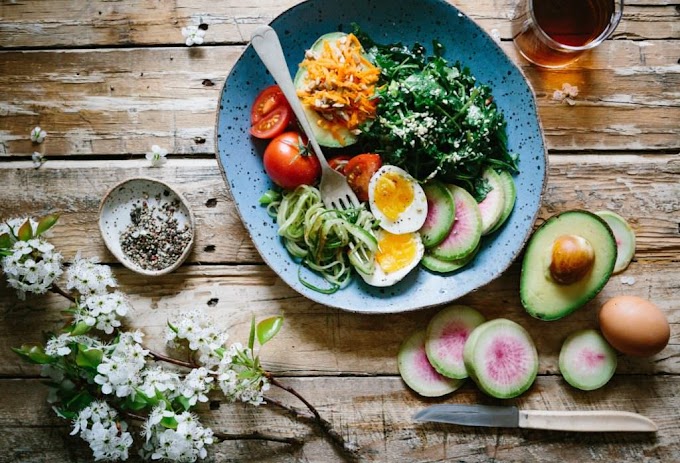

One potential avenue for finding relief from depression is through the consumption of foods and supplements rich in tryptophan. Tryptophan is an essential amino acid that plays a crucial role in serotonin production, a neurotransmitter known to regulate mood.
Studies have also shown that carbohydrates can act as effective anti-depressant supplements. Carbohydrate-rich foods have been found to alleviate symptoms of premenstrual syndrome for up to three hours. By increasing the intake of carbohydrates, it is possible to restore the balance of specific fatty acids, which can directly influence the risk of depression.
Moreover, moderate consumption of caffeine-containing beverages has been associated with a reduction in depressive symptoms. However, excessive intake may heighten the risk, emphasizing the importance of moderation. Proper diet, including the regular consumption of coffee or tea, has been linked to a decreased likelihood of suicide, a tragic outcome often linked to depression.
On the other hand, certain habits involving harmful substances, such as excessive alcohol consumption, heavy smoking, or drug abuse, can exacerbate depressive symptoms and should be avoided.
In addition to specific foods, vitamins and other essential nutrients, such as Vitamin B, iodine, Vitamin C, calcium, and amino complexes, have been found to offer some protection against depression. Niacin, a key component in the production of tryptophan, aids in promoting Vitamin B3 and helps regulate blood flow to prevent mental depression.
Vitamin B12 and calcium have shown promise in alleviating depression, particularly during the menstrual period in women. Studies conducted in 2001 indicated that Vitamin B12 may even help prevent postpartum depression.
These dietary supplements and vitamins have the potential to enhance the effectiveness of selective serotonin reuptake inhibitors (SSRIs) and other antidepressants.